
By Asiyatu James | Eye of the Child
A four-year-old child should be playing, learning and enjoying childhood. At that age, children should be surrounded by love and protection, not the pain and trauma of sexual abuse.
But for some children in rural communities, this is not the reality.
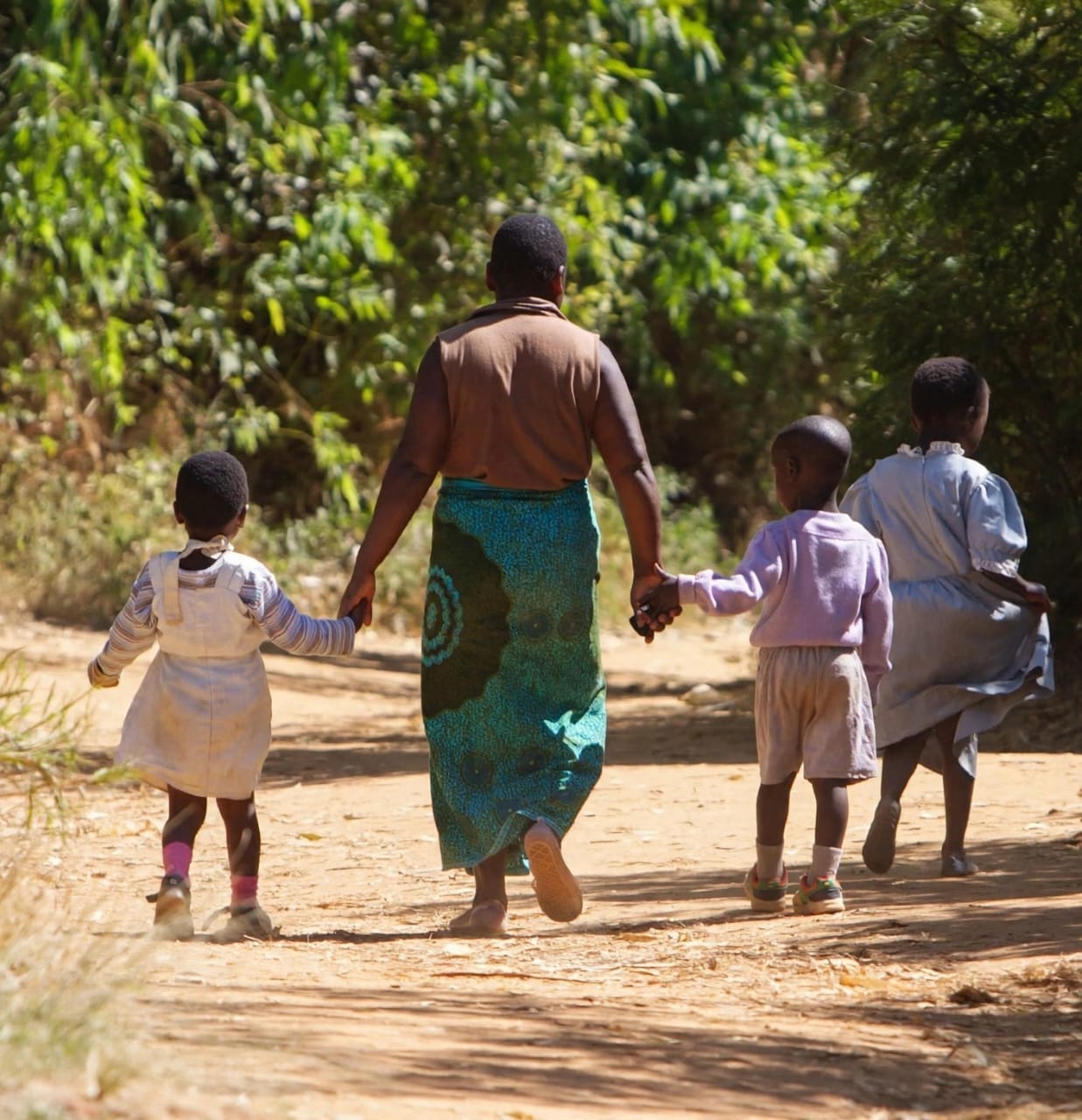
During a recent visit by Eye of the Child to Mtakataka, Traditional Authority Kachindamoto, in Dedza District, we encountered deeply concerning child protection challenges that revealed how vulnerable some children are and how difficult it can be for families to seek help.
Among the most disturbing concerns were reports of children as young as four years old being defiled. Some reported cases involve people within the family, particularly stepfathers and, in some instances, biological fathers.
These revelations raise a painful question: If children cannot feel safe in their own homes, where can they find protection?
One of the heartbreaking challenges is the situation of mothers who depend financially on their husbands.
Some mothers fear reporting sexual abuse because the alleged perpetrator is the breadwinner. They worry about losing financial support, being abandoned or having their marriages fall apart.
As a result, some may remain silent even when their children need protection.
But no marriage should be preserved at the expense of a child's safety. No financial situation should force a mother to choose between feeding her children and protecting them from abuse.
These mothers need understanding and support, not condemnation. Social welfare services, community leaders and child protection organisations must help women who find themselves in such difficult circumstances. A child's safety must always come first.
Another disturbing concern raised during the visit relates to beliefs that sleeping with a child can bring wealth or riches.
Such beliefs are dangerous and must be challenged. No child can bring wealth to anyone through sexual abuse. Whether driven by greed, cruelty, distorted beliefs or a desire for power, there is no justification for violating a child's body and dignity.
Children are not sacrifices for wealth. They are human beings with rights, dreams and futures.
Traditional leaders, religious leaders and communities must speak openly against such beliefs and ensure that anyone suspected of abusing a child is reported to the appropriate authorities.
Beyond the abuse itself, many community members face another challenge: they do not know where or how to report child abuse.
In some rural areas, child protection officers are located far from the communities they serve. Reaching them can require transport money and resources that many families do not have.
Imagine a mother discovering that her child has been abused but having no idea where to seek help. She may fear reporting the matter, lack transport or simply not know which office to approach.
For some families, the journey towards justice ends before it even begins.
Child protection services must reach beyond district offices. Communities need regular awareness activities, accessible reporting channels and clear information about where to seek assistance.
A child in Mtakataka deserves the same protection as a child in Lilongwe or Blantyre.
Perhaps the most painful challenge is the silence surrounding child sexual abuse.Some people suspect abuse but remain quiet because the alleged perpetrator is a relative, neighbour or respected community member. Others fear family conflicts, shame or rejection.
In some cases, families may attempt to settle matters privately to protect relationships or reputations. But sexual abuse is not a family disagreement. It is a serious violation of a child's rights and must never be hidden behind family arrangements.
When communities remain silent, children are left to suffer alone. Reporting suspected abuse is not destroying a family; it is protecting a child.
WHAT CAN WE DO?
The challenges observed in Mtakataka remind us that child protection is everyone's responsibility.
- Educate communities: Use village meetings, community radios, churches and schools to teach people how and where to report child abuse.
- Support mothers: Help women understand that their children's safety comes first, while connecting them to social welfare and other support services.
- Bring services closer: Government departments and child protection organisations should strengthen outreach programmes in hard-to-reach areas.
- Empower traditional leaders: Chiefs and village heads should help identify concerns, refer cases to the authorities and discourage private settlements of sexual abuse.
- Teach children about body safety: Parents and teachers should help children understand personal boundaries and encourage them to speak to trusted adults when something is wrong.
- Protect survivors: Children who experience abuse need medical care, counselling and justice. They must never be blamed or have their identities exposed.
The visit to Mtakataka was a reminder that child protection is not just about having laws and policies. It is about whether a mother in a remote village knows where to report abuse, whether a neighbour has the courage to speak up and whether a child can ask for help without fear.
We cannot continue conducting child protection activities without addressing the barriers that prevent rural communities from accessing help.
A four-year-old child should never have to carry the consequences of an adult's greed or cruelty. A mother should never have to choose between keeping her marriage and protecting her child. And no community should remain silent when a child's safety is at risk.
At Eye of the Child, we believe every child deserves to grow up free from sexual exploitation, violence and abuse. Achieving this requires courage, accessible services and collective responsibility.
Let us break the silence. Let us support mothers who speak out. Let us bring child protection closer to rural communities. Above all, let us refuse to protect perpetrators at the expense of children.
Every child deserves protection. Every voice matters. Every community has a role to play